+ Gastric sleeve · Neuro+ Obesity
La manga gástrica es la bariatric surgery más realizada en el mundo y en Neuro+ la respalda el Dr. Andrés Velásquez con más de 1,000 procedimientos realizados y un equipo que te acompaña en cada etapa del proceso.
+1,000
60 – 70%
1 day
100%
+ Laparoscopic sleeve gastrectomy
Gastric sleeve (sleeve gastrectomy) turns the stomach into a narrow tube by removing 75–80% of its volume. It creates early fullness and lowers ghrelin, the hunger hormone.
Unlike the bypass, it doesn’t alter the small intestine, which makes it technically less complex, with shorter hospital stays. It is one of the two bariatric surgery options we offer at Neuro+, along with the gastric bypass.
Mechanism of action
It works through two complementary mechanisms that reduce both the amount of food and baseline appetite.
The stomach goes from 1.5 liters to less than 150 ml. The patient feels full with very small amounts of food, mechanically reducing calorie intake.
The gastric fundus that is removed produces ghrelin, the hunger hormone. By removing it, patients not only eat less but also feel less hungry between meals.
Laparoscopic surgery: minimally invasive
At Neuro+, the gastric sleeve is always performed laparoscopically, the global standard minimally invasive technique for bariatric surgery. Instead of one large incision, Dr. Andrés Velásquez works through 4 to 6 incisions of 5 to 12 mm, guided by a high-definition camera and specialized instruments.
This means less post-operative pain, minimal scars that become almost imperceptible over time, lower risk of infection and incisional hernias, less bleeding during the procedure, and a faster recovery: most patients return to their routine in 1 to 2 weeks.
Dr. Velásquez holds a certified subspecialty in Advanced Laparoscopic Surgery (Universidad CES, 2022), ensuring every procedure is performed to the highest safety standards.
Evidence-based results
The gastric sleeve achieves gradual and sustained loss of excess weight, peaking between 18 and 24 months.
Note on reflux: unlike the bypass, the gastric sleeve can worsen gastroesophageal reflux (GERD). It’s a key point to assess with Dr. Velásquez at your evaluation.
+ We help you make the best decision
+ Medical evaluation · IFSO guidelines
This is guidance, not a diagnosis. The team confirms your candidacy at the initial evaluation.
Your BMI is
Possible candidate with associated comorbidities.
A medical evaluation can help you prevent complications and improve your long-term well-being.
Talk to a specialistDon’t meet the criteria yet, or worried about a contraindication? Before surgery there are medical alternatives — learn about the weight loss medications we also manage at Neuro+.
+ Neuro+ protocol
Consultation with Dr. Andrés Velásquez (in person or by video call). Review of history, BMI, comorbidities and previous tests. We determine whether the sleeve is the right procedure.
Assessment of habits and nutritional status, and design of the pre-operative eating plan to reduce surgical risk.
Complete labs, ECG, upper endoscopy, anesthesia evaluation. In some cases, echocardiogram or polysomnography.
For patients with diabetes, high blood pressure or other conditions. Medication adjustment and cardiovascular preparation before surgery.
General anesthesia at a partner high-complexity clinic. Duration: about 1–2 hours. Hospital stay: about 1 day.
Check-ups with Dr. Andrés Velásquez at months 1, 3, 6 and 12, then yearly. Nutrition check-ups every 1–3 months. Periodic labs. Teleconsultation for international patients.
+ Before surgery
Low-calorie diet, high in protein and low in carbohydrates and fat. Goal: reduce fatty liver by 20–30% to make laparoscopic access easier.
Anticoagulants, NSAIDs (ibuprofen, naproxen), certain diabetes medications. Dr. Andrés Velásquez will tell you what to stop and when.
Tobacco increases the risk of staple-line leaks and lung complications. Mandatory abstinence for at least 6–8 weeks.
+ Post-operative
At least 60 g/day in the first year. Always eat it first at every meal.
Wait 30 min before and after each main meal.
A small stomach can’t handle large pieces. At least 20 chews per bite.
+ Post-operative · Nutrition
Key advantage: the sleeve doesn’t cause malabsorption, so it requires less supplementation than the gastric bypass.
Covers micronutrients given the lower calorie intake.
A common deficiency in patients with prior obesity.
Bone health, especially in women.
May drop due to lower intake of animal protein.
Lower risk than with bypass, but possible in women.
+ Meet your surgeon
Bariatric surgeon
Subspecialty in advanced laparoscopic surgery
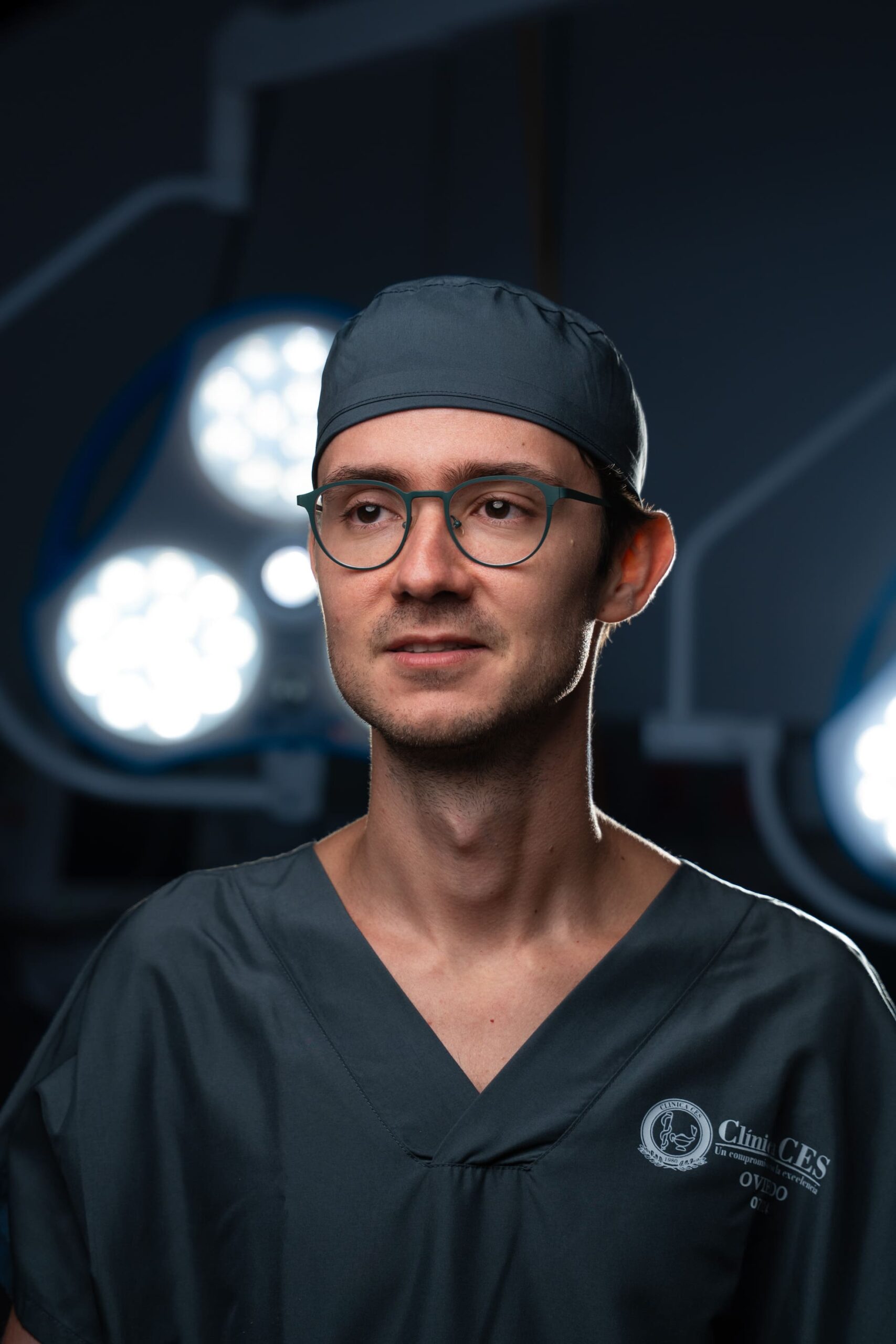
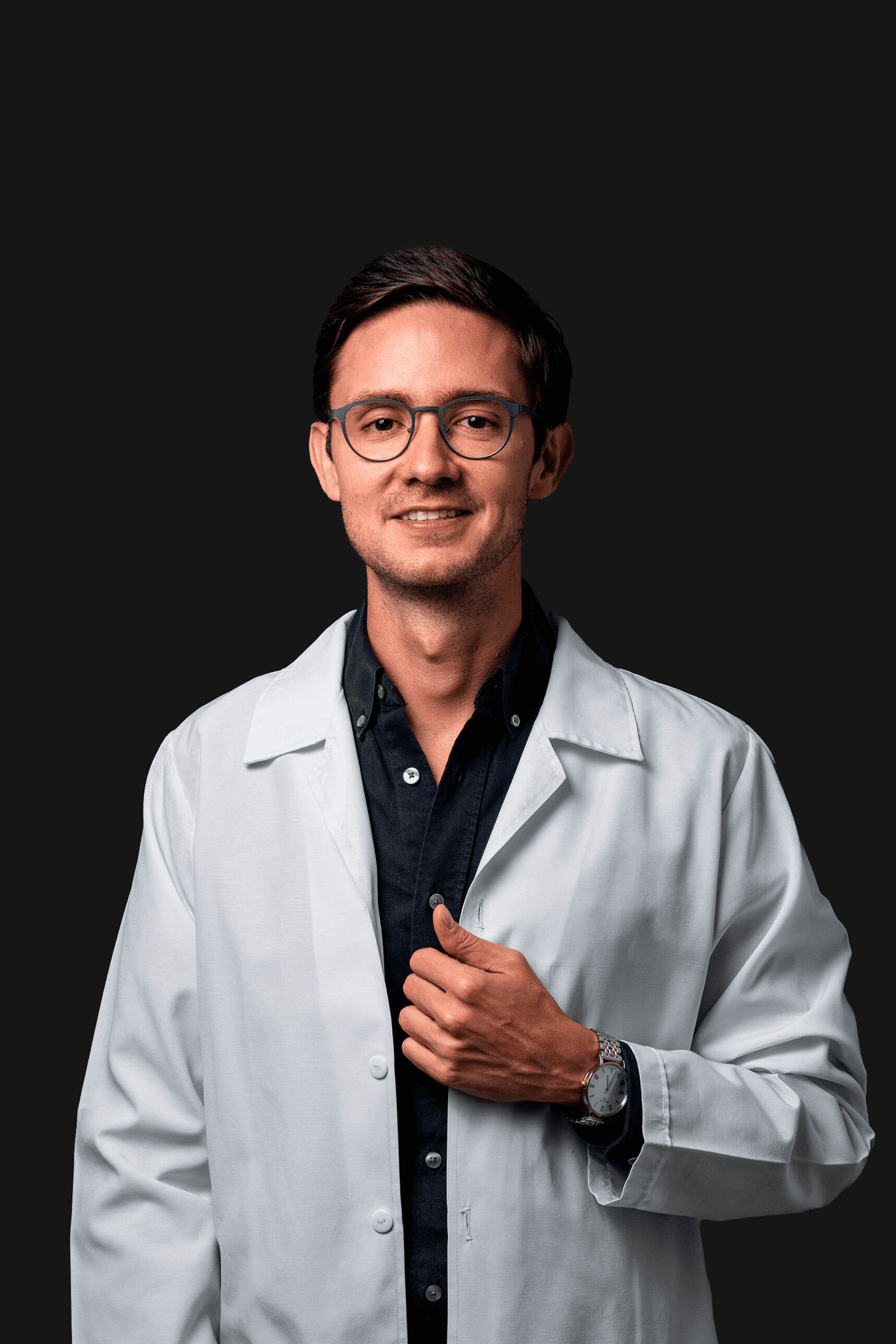
General surgeon with a subspecialty in bariatric and advanced laparoscopic surgery. Specialist in gastric bypass, gastric sleeve and bariatric revision surgery. Coordinator of Neuro+’s bariatric medical tourism program
+ Bariatric medical tourism · Colombia
Colombia is one of the most popular bariatric medical tourism destinations for patients from the U.S., Canada, Europe, Aruba and Latin America.
Includes surgery, anesthesia, hospital stay (about 1 day) and post-operative check-ups. *Reference prices; a detailed personalized quote is provided at the medical evaluation.
+ Verified reviews
+ Frequently asked questions
If your question isn’t here, message us on WhatsApp. We reply right away.
No se trata solo del peso, sino del IMC (índice de masa corporal). Eres candidato si tienes un IMC ≥ 40 sin comorbilidades, un IMC ≥ 35 con condiciones como diabetes, hipertensión o sleep apnea, o un IMC entre 30 y 35 con comorbilidades metabólicas significativas. Usa la calculadora de esta página para tener una primera orientación, y confirma tu candidatura real en la valoración con el Dr. Andrés Velásquez.
On average, patients lose 60% to 70% of their excess weight, gradually: 15–25% at 3 months, 40–50% at 6 months, 55–65% at one year, and the maximum (60–70%) between 18 and 24 months. The exact result depends on your starting point, your adherence to nutritional guidance and post-operative follow-up.
No. The gastric sleeve removes part of the stomach (about 75–80% of its volume), so it is a permanent procedure. It’s important to make the decision with complete information: that’s why the evaluation with Dr. Velásquez and the nutrition team is a mandatory step before scheduling surgery.
At Neuro+, 100% of gastric sleeve surgeries are performed laparoscopically (minimally invasive). Dr. Andrés Velásquez holds a certified subspecialty in Advanced Laparoscopic Surgery. Today, open surgery is practically no longer used in bariatrics, except in very exceptional cases such as some complex revision surgeries.
It depends on the severity. The gastric sleeve can worsen gastroesophageal reflux (GERD) in some patients, so severe uncontrolled reflux is a contraindication for this specific procedure. If you have reflux, mention it at your evaluation: in many cases the gastric bypass is the recommended alternative, precisely because it tends to improve reflux rather than worsen it.
If you work in an office or your job doesn’t require physical effort, most patients return to work 1 to 2 weeks after surgery. Activities that require more physical effort (aerobic exercise, gym) take longer, 4 to 8 weeks. Dr. Velásquez will give you specific instructions based on your recovery and type of work.
Yes, many patients have healthy pregnancies after surgery, even with improved fertility associated with weight loss. The general recommendation is to wait 12 to 18 months after surgery, until weight and nutritional status are stable, and to have prenatal care that includes monitoring of vitamins and minerals. This is discussed with the medical and nutrition team before trying to conceive.
The incisions are 5 to 12 mm (less than 1.5 cm), spread over 4 to 6 points on the abdomen. With proper care, most become almost imperceptible after several months.
The reference price for a gastric sleeve starts at COP $23,000,000 and includes surgery, hospital stay (about 1 day) and post-operative check-ups. The final price is confirmed at your initial evaluation, since it depends on your particular case (required tests, comorbidities, etc.).
We work with the country’s leading insurers, including Allianz, AXA Colpatria, BMI Colombia, Colsanitas, Coomeva Seguros, SURA, MedPlus and Grupo EMI. We verify your coverage before your first appointment and help you with the authorization process. Message us on WhatsApp with your insurer’s name and your member number to confirm your specific coverage.
Less post-operative pain, lower risk of infection and hernias, less bleeding, minimal scars and a faster recovery: on average 1 to 2 weeks versus 4 to 6 weeks for open surgery.
In general, 4 to 8 weeks pass between the initial evaluation and the surgery date, depending on your pre-operative tests, nutritional preparation (a 2- to 4-week pre-operative diet) and surgical scheduling. International patients usually coordinate the whole process (evaluation, tests and surgery) in a single 4- to 6-day visit to Medellín.
It’s possible if eating habits and long-term follow-up aren’t maintained, since the stomach can gradually stretch over time if the guidelines are ignored (prioritize protein, chew well, avoid drinking liquids during meals). That’s why nutritional and medical follow-up continues after surgery: spotting early signs of weight regain allows you to course-correct before it becomes a bigger problem.
«Slim gástrico» es una forma común de llamar a la manga gástrica (sleeve gástrico). «Recorte» o «reducción de estómago» son nombres populares de las cirugías que reducen el estómago, como la manga y el bypass. En la valoración, el cirujano te dice cuál te conviene.
+ Price and financing
From COP $23,000,000
Includes surgery, hospital stay and post-operative follow-up.
No surprises
The final price is set at your initial evaluation, based on your case. The quoted price is the real price — no hidden costs
The same surgical quality, the same level of medical training, at a fraction of the cost. This is the real market comparison:
A patient traveling from the United States or Europe saves between USD $15,000 and $30,000 even after flights and hotel. Medellín combines world-class specialists with the costs of a different economy.
+ The first step is the most important