+ MIGRAINE AND HEADACHE

Migraine and headache treatment in Medellín

Migraine is much more than a headache. It affects 15% of the world’s population and is the second leading cause of neurological disability according to the WHO. At Neuro+ we offer access to the most advanced therapies available in Colombia.

15%

Of the population has migraine

5

Advanced treatments available

2nd

Leading cause of neurological disability (WHO)

+ What is migraine?

Migraine is a neurological disease, not just a headache

Migraine is characterized by recurrent episodes of throbbing pain, usually on one side, lasting 4 to 72 hours. It is often accompanied by nausea and sensitivity to light and sound. Some patients experience an aura: visual or sensory disturbances that come before the pain.

It originates in the activation of the trigeminovascular pathway and the release of molecules such as CGRP — not in simple “stress” or “gastritis.” Understanding it as a disease of the nervous system is the first step to treating it well.

When is it considered chronic?

When episodes occur 15 or more days a month for at least 3 months. Migraine often becomes chronic without proper treatment, and that is precisely where advanced preventive therapies make the difference.

Resonancia y estudio del cerebro para el diagnóstico de migraña

+ Differential diagnosis

Types of headache we treat at Neuro+

Precisely identifying the type of headache is what makes it possible to choose the right treatment.
Episodic

Episodic Migraine

Fewer than 15 days a month. Easier to control, and with the right treatment it can be kept from becoming chronic.

Active prevention

Chronic Migraine

15 or more headache days a month. Requires active preventive treatment: botulinum toxin or anti-CGRP antibodies.

With aura

Migraine with Aura

Neurological symptoms beforehand: visual phenomena, tingling or difficulty speaking. They last 5 to 60 minutes.

Vestibular

Vestibular Migraine

Combines episodes of vertigo with migraine symptoms. A common and underdiagnosed cause of recurrent vertigo.

Hormonal

Hormonal / Menstrual Migraine

Linked to the menstrual cycle. Specific preventive strategies, including short-term perimenstrual hormonal therapy.

Tension-type

Tension-Type Headache

Bilateral, band-like pressure, of mild to moderate intensity. The most common type: it affects up to 70% of the population.

Cluster

Cluster Headache

The most intense of the primary headaches. Strictly one-sided pain around the eye. Very effective specific treatment.

Overuse

Medication-Overuse Headache

Using painkillers more than 10–15 days a month causes rebound headaches. Requires gradual withdrawal guided by the neurologist.

Refractory

Refractory Migraine

No response to two or more lines of treatment. At Neuro+ there is access to anti-CGRP, botulinum toxin and magnetic stimulation.

+ Triggers

Migraine triggers: what sets it off?

Lifestyle

  • Cambios en el patrón de sueño
  • Prolonged fasting or skipping meals
  • Dehydration
  • Alcohol (red wine, beer)
  • Too much caffeine or sudden withdrawal
  • Stress or post-stress relaxation

Environmental

  • Bright or flickering lights
  • Strong smells
  • Sudden temperature changes
  • Loud noises

Hormonal

  • Menstrual cycle fluctuations
  • Hormonal contraceptives
  • Perimenopause

Dietary

  • Aged cheeses (tyramine)
  • Cured meats (nitrates)
  • Chocolate
  • Monosodium glutamate
  • Aspartame

Headache diary. The neurologist may recommend keeping a headache diary for a few weeks to identify your personal trigger patterns and objectively measure your response to treatment.

Warning signs

These signs require urgent medical evaluation

Pain with sudden, extremely intense onset ("the worst of my life") — suspected subarachnoid hemorrhage
Headache with fever, a stiff neck or severe light sensitivity — suspected meningitis
Headache with loss of consciousness, confusión o convulsiones
Headache with weakness in the arms or legs or speech changes — suspected stroke
A change in the usual pattern of a pre-existing headache

+ Diagnosis and treatment

Migraine treatments available at Neuro+

From oral preventive medications to the most advanced therapies for chronic and refractory migraine.
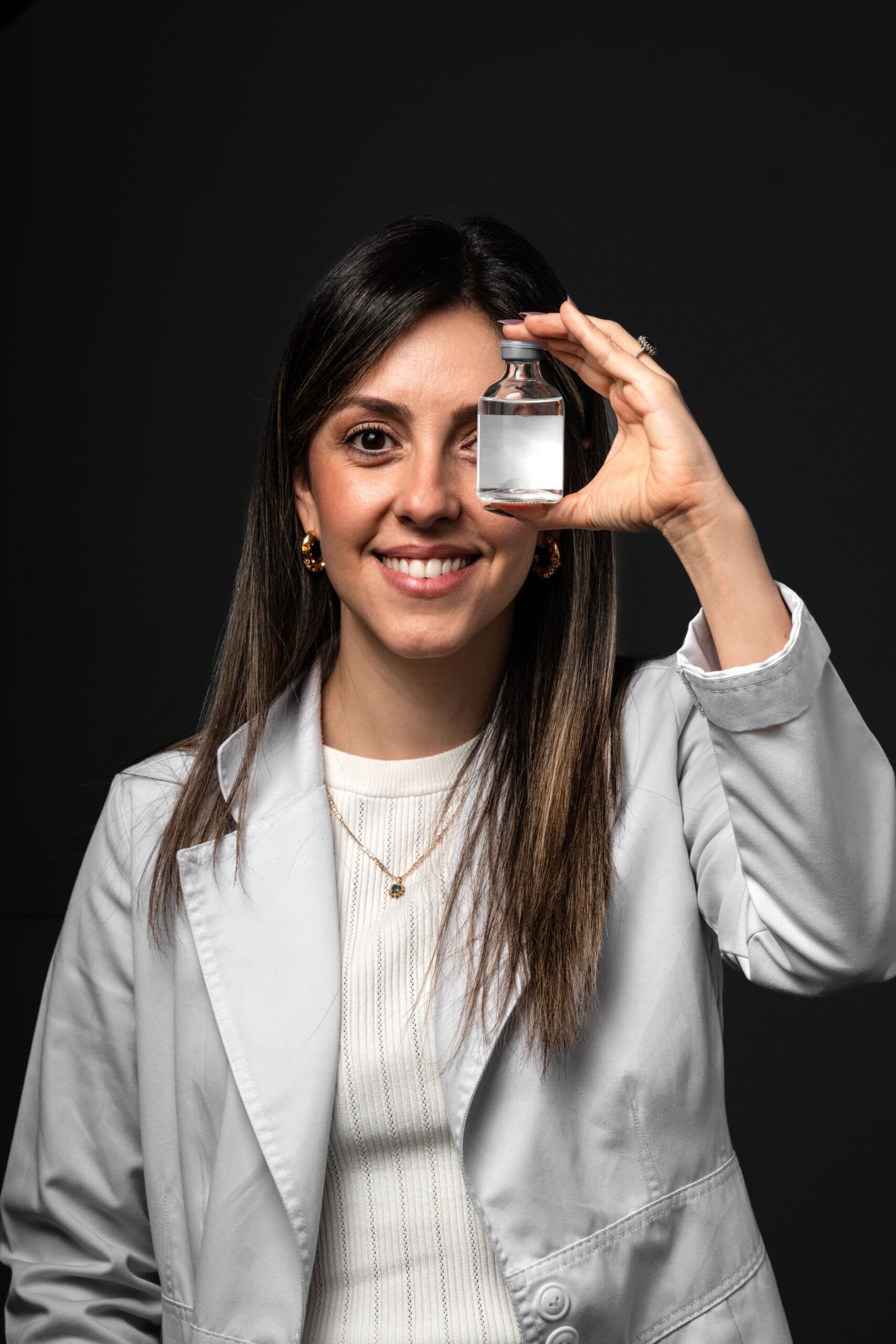
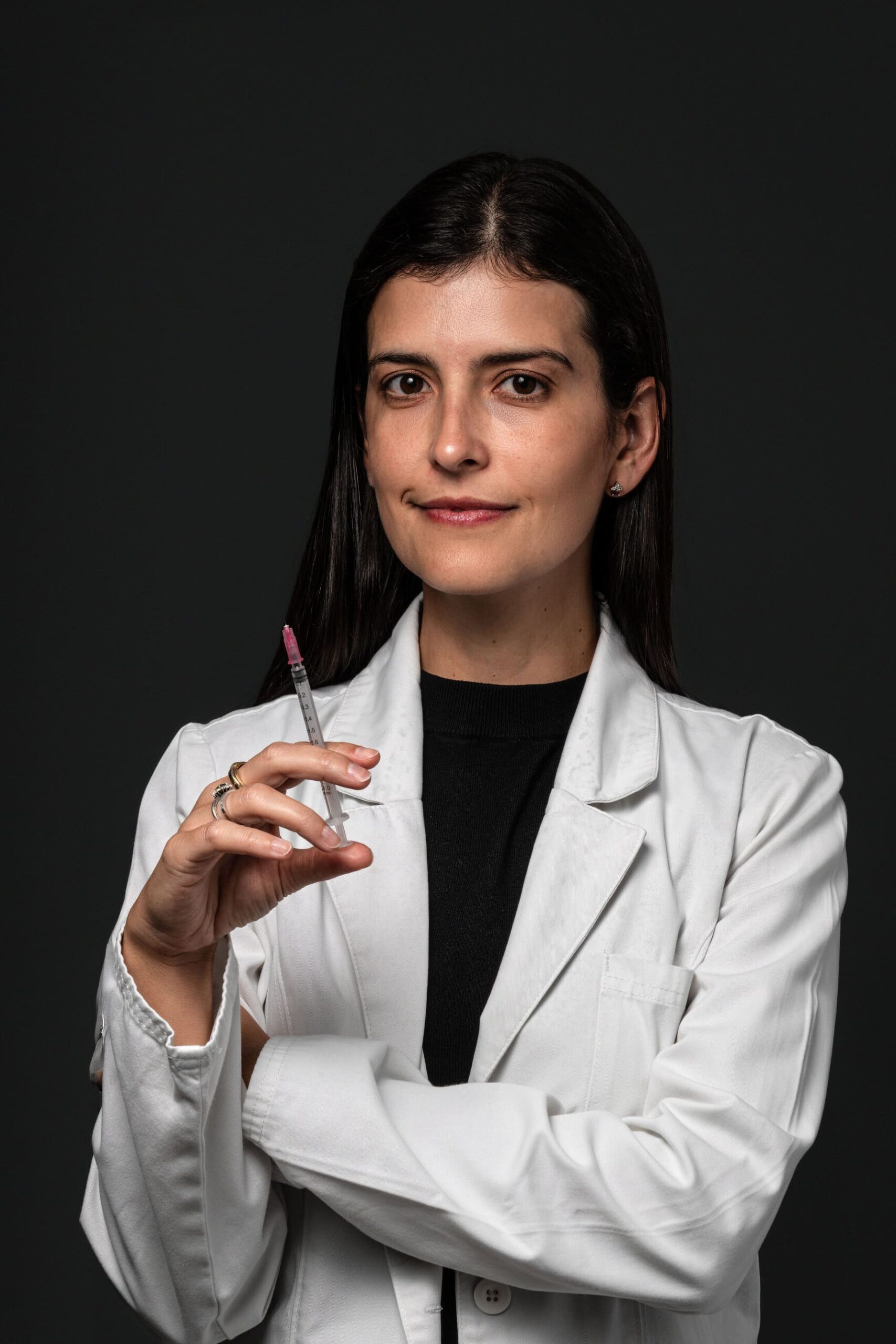
Neuróloga de Neuro+ con vial de toxina botulínica, protocolo PREEMPT Neuróloga de Neuro+ con jeringa para aplicación de toxina botulínica
Flagship treatment · Chronic migraine

Botulinum Toxin — PREEMPT Protocol

The only preventive treatment approved specifically for chronic migraine (FDA, EMA). Indicated for patients with 15 or more headache days a month who don’t respond to oral preventive medications.

  • 31 injections at specific points on the forehead, scalp and trapezius muscles
  • Outpatient procedure of about 20 minutes, without anesthesia
  • Back to normal activity immediately. The effect lasts 3–4 months and is repeated in quarterly cycles
8–9 fewer days Average reduction in migraine days per month

Pericranial Nerve Block

Local anesthetic injection into the scalp nerves: greater and lesser occipital and supraorbital. Indicated for migraine, chronic tension-type headache and occipital neuralgia.

Takes less than 10 min · Can be combined with botulinum toxin

Anti-CGRP Monoclonal Antibodies

The most important migraine innovation of the last decade. They block CGRP, a key molecule in its pathophysiology. Available in Colombia: erenumab, fremanezumab and galcanezumab.

Monthly or quarterly injection · Frequent episodic or chronic

Transcranial Magnetic Stimulation (TMS)

Non-invasive technology for treatment-resistant migraine. Magnetic pulses without medication or surgery, indicated for refractory migraine and migraine with aura. One of the few available in Medellín.

No medication or surgery · Neurological supervision

Oral Preventive Medications

Beta-blockers (propranolol), antiepileptics (topiramate, valproate), antidepressants (amitriptyline), candesartan and flunarizine. The choice is based on clinical profile and comorbidities.

First-line prevention · Personalized by the neurologist

+ Your first consultation

What is the first consultation like?

​ The neurologist takes a detailed headache history: pain characteristics, frequency, duration, accompanying symptoms, triggers, previous treatments, family history and comorbidities.

A complete neurological exam is performed and, if needed, imaging studies (brain MRI) are ordered to rule out secondary causes.

Duration
30 minutes

Complete neurological evaluation of your headache.

Approach
Rule out and treat

Differential diagnosis and a personalized treatment plan.

Bring with you, if you have them

  • Previous treatments you’ve taken and how you responded
  • Previous imaging studies (MRI or CT)
  • A headache diary for the last 4 weeks, if you keep one

+ Frequently asked questions

Frequently asked questions about migraine

When is botulinum toxin indicated for migraine?

The PREEMPT protocol is indicated specifically for chronic migraine (15 or more days a month) in patients who have failed or are intolerant to at least two lines of oral preventive treatment.
Effects start to be noticeable 2 to 4 weeks after the first session and build up over successive cycles. It’s recommended to evaluate the response after at least two cycles (about 6 months).
There is no definitive cure for migraine, but with the right treatment the vast majority of patients achieve significant control: fewer and less intense attacks and a better quality of life.
Yes. In some patients with refractory migraine the combination is indicated. The neurologist evaluates on a case-by-case basis whether combining these treatments is appropriate.
Yes, although the options are more limited. Many women experience improvement during the second and third trimesters. For attacks, acetaminophen (paracetamol) is the safest option. The neurologist and obstetrician work together.

+ Book today

Book your consultation with a migraine specialist

Accurate diagnosis and access to botulinum toxin, anti-CGRP and magnetic stimulation.

In-person care in Medellín, or teleconsultation from any city.