+ Bariatric surgery · Strongest scientific evidence
+1,000
75 - 85%
60 - 80%
1 day
+ The surgery with the strongest evidence
El bypass gástrico (o «by pass» gástrico, también llamado derivación gástrica en Y de Roux o RYGB) es una bariatric surgery que actúa mediante dos mecanismos simultáneos: restriction of stomach volume and partial malabsorption of nutrients through the reconfiguration of the small intestine.
A gastric pouch of about 30 ml is created and connected directly to the small intestine, bypassing the duodenum and part of the jejunum. This reduces calorie absorption.
It also has a significant metabolic effect: it modifies ghrelin, increases GLP-1 and PYY, and improves insulin sensitivity, regardless of weight loss.
Key differentiator: the gastric bypass achieves type 2 diabetes remission even before significant weight loss. It is the first option for severe diabetes and gastroesophageal reflux.
Triple mechanism of action
Unlike the gastric sleeve, the bypass works through three simultaneous pathways, which explains its greater effectiveness.
A gastric pouch of ~30 ml. The patient feels full with minimal amounts of food, drastically reducing calorie intake.
By bypassing the duodenum and part of the jejunum, some food is not fully absorbed. This reduces net calorie intake.
It modifies ghrelin and increases GLP-1 and PYY. It improves insulin sensitivity regardless of weight loss. Key in type 2 diabetes.
Laparoscopic surgery: minimally invasive 5–12 mm ports. It reduces post-operative pain and infection risk and speeds up recovery. Approximate duration of 2–3 hours. Discharge after about 1 day.
Clinical evidence
With a bypass, weight comes off faster than with the gastric sleeve and with a higher percentage of excess weight removed.
Diabetes remission can occur within the first few weeks, before significant weight loss. This is the independent hormonal effect.
+ Comparing procedures
+ Medical criteria · IFSO 2022 guidelines
Candidacy is determined by the medical team at the evaluation. Start by calculating your BMI — it’s an initial guide.
This is guidance, not a diagnosis. The team confirms your candidacy at the initial evaluation.
Your BMI is
Possible candidate with associated comorbidities.
A medical evaluation can help you prevent complications and improve your long-term well-being.
Talk to a specialistDon’t meet the criteria yet, or worried about a contraindication? Before surgery there are medical alternatives. Learn about weight loss medications we also manage at Neuro+.
+ Neuro+ Obesity protocol
Consultation with Dr. Andrés Velásquez (in person, or by video call for international patients). We determine whether the bypass is the right procedure based on BMI, comorbidities and clinical factors.
Assessment of current habits and nutritional status, and design of the pre-operative diet. Nutritional preparation is especially important for the bypass because of post-surgical malabsorption.
Complete labs (HbA1c, metabolic panel, key vitamins), ECG, upper endoscopy and anesthesia evaluation. Echocardiogram or polysomnography depending on the case.
Medication adjustment (especially for diabetes and high blood pressure), blood sugar control and cardiovascular risk management before surgery.
General anesthesia at a partner high-complexity clinic in Medellín. Approximate duration of 2–3 hours. Hospital stay of about 1 day. Early mobilization the same day or the next day.
Check-ups with Dr. Velásquez at months 1, 3, 6 and 12, then yearly. Nutrition check-ups every 1–3 months in the first year. Labs at 3, 6 and 12 months (vitamins, iron, B12). Teleconsultation for international patients.
+ Before surgery
Diet · 2–4 weeks before
Low-calorie, high in protein, low in carbohydrates and fat. Goal: reduce fatty liver to make laparoscopic access easier. In the final week, a liquid or semi-liquid diet may be prescribed by the surgeon.
Medications · what to stop
Stop anticoagulants and NSAIDs (ibuprofen, naproxen — contraindicated after bypass due to the risk of anastomotic ulcer) and adjust some diabetes medications, always under medical supervision.
Tobacco · mandatory abstinence
At least 6–8 weeks before surgery. Tobacco increases the risk of lung complications, slow healing and anastomotic ulcer after bypass.
Important after bypass: NSAIDs (ibuprofen, diclofenac, naproxen) are contraindicated for life after a gastric bypass due to the risk of anastomotic ulcer. The team will tell you about safe alternatives before surgery.
+ Post-operative
Lifelong rule: NSAIDs (ibuprofen, diclofenac) are prohibited for life after bypass. Risk of a serious anastomotic ulcer.
60–80 g/day in the first year. Always eat it first at every meal.
Wait 30 minutes before and after. Diluting the stomach contents reduces fullness.
Ibuprofen, naproxen and diclofenac are prohibited for life due to the risk of ulcers.
+ Post-operative · critical nutrition
Key difference from the gastric sleeve: the bypass causes permanent malabsorption. Supplementation isn’t optional — it’s part of the surgical treatment for life.
Covers general absorbable micronutrients.
Carbonate needs stomach acid — after bypass there isn’t enough.
A very common deficiency. Works together with calcium for bone health.
Iron is absorbed in the duodenum — the bypass skips it.
Requires gastric intrinsic factor, which is reduced after bypass.
Especially for women of reproductive age.
A deficiency can cause irreversible neuropathy.
Immunity, healing and cognitive function.
+ Complete medical information
+ Meet your surgeon
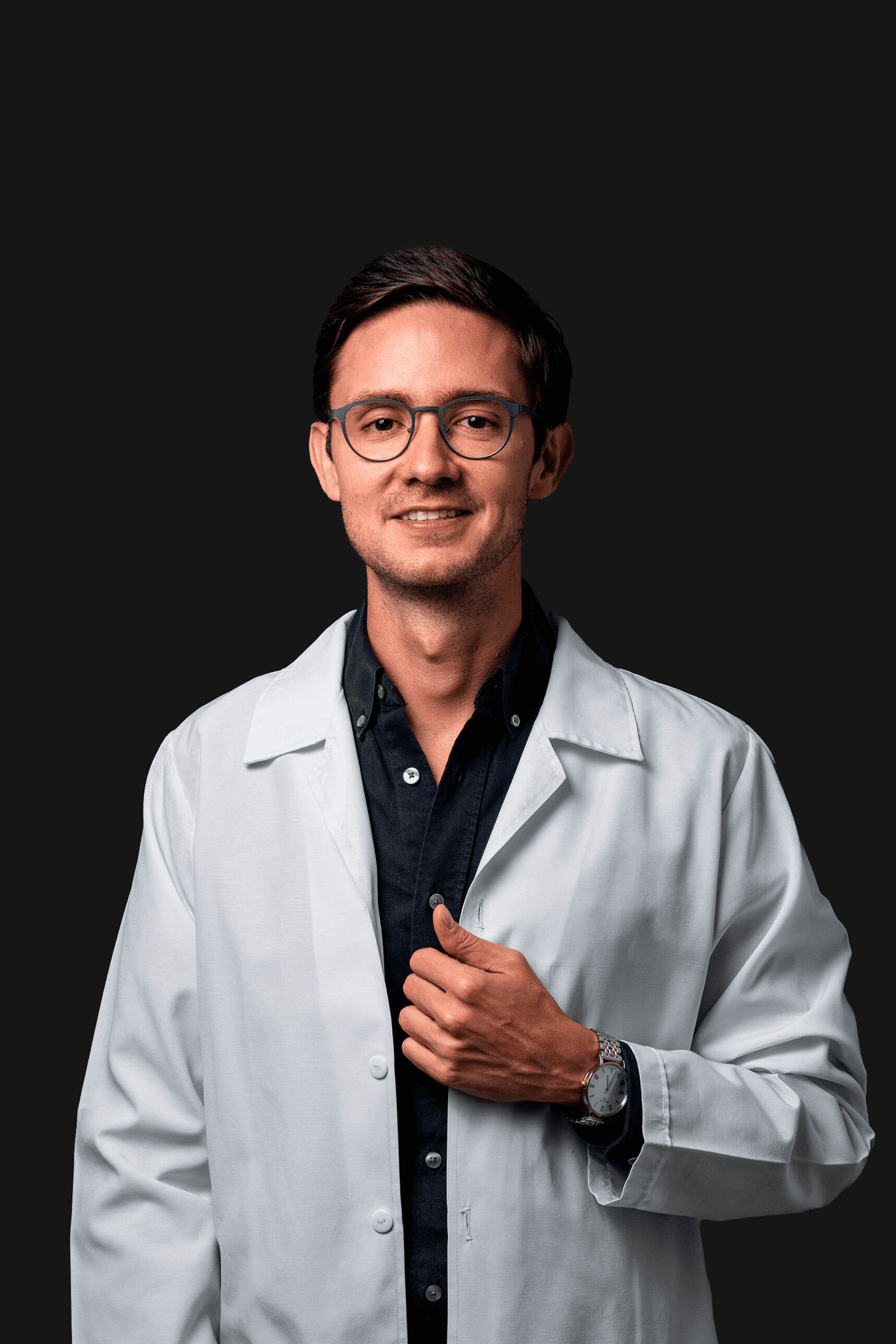
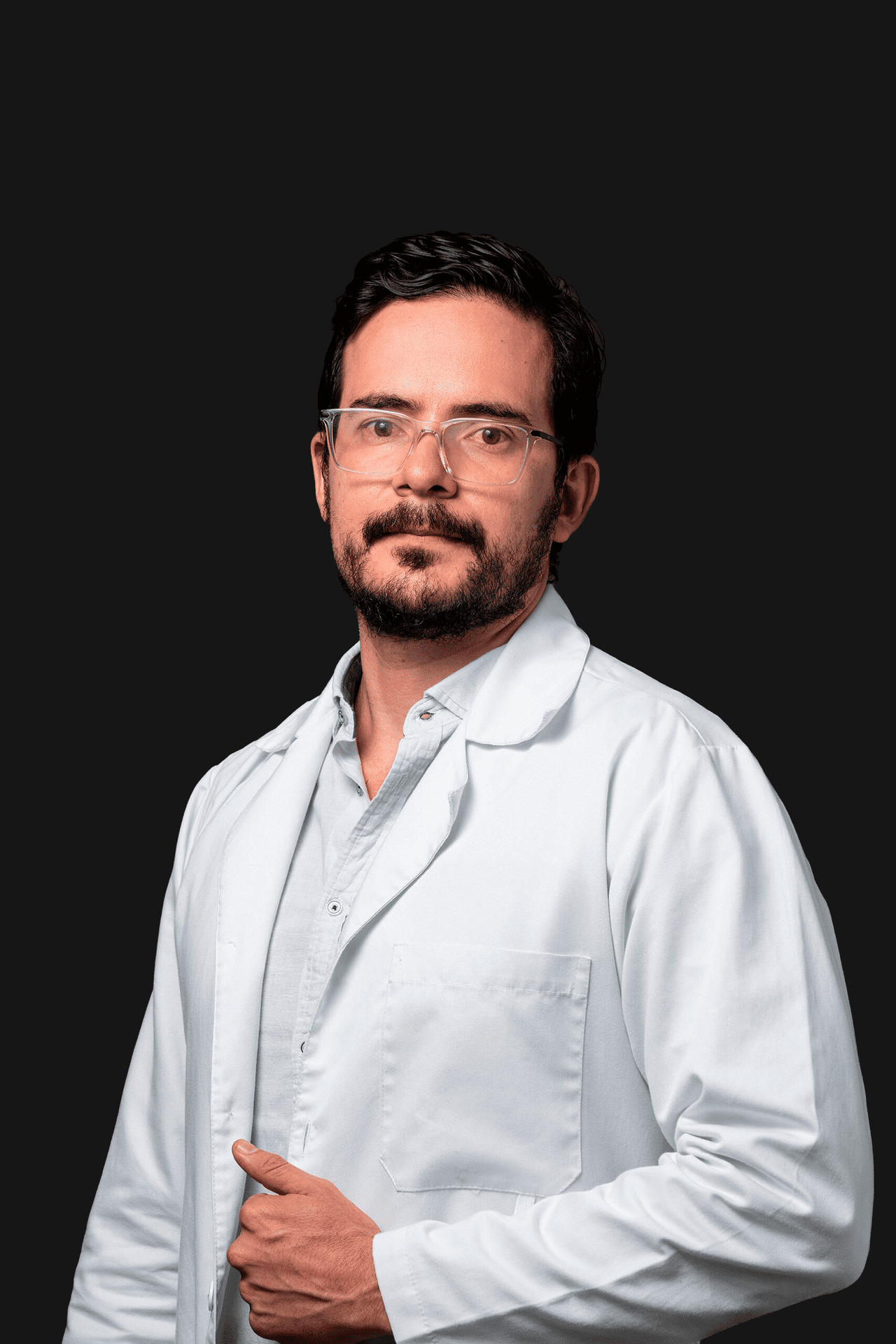
General surgeon with a subspecialty in bariatric surgery and advanced laparoscopic surgery. Specialist in gastric bypass, gastric sleeve and bariatric revision surgery. Coordinator of Neuro+’s bariatric medical tourism program
+ Bariatric medical tourism · Colombia
Includes surgery, anesthesia, hospital stay (~1 day) and post-operative check-ups.
*Reference prices. A detailed personalized quote is provided at the medical evaluation.
Want to know more about how to travel to Medellín for your surgery? Learn about flights, lodging and tips for international patients.
Medical tourism guide+ Verified reviews
+ Frequently asked questions
At Neuro+, in Medellín, Colombia, the gastric bypass starts at COP $26,000,000, including surgery, hospital stay and post-operative follow-up. The final price is set at the initial evaluation based on each case. It’s the real price, with no hidden costs. For international patients, the reference price in the U.S. is USD 20,000–35,000, so savings can reach up to 75%.
Laparoscopic gastric bypass surgery takes 2 to 3 hours, under general anesthesia, at a high-complexity clinic in Medellín. The hospital stay is about 1 day, with early mobilization the same day or the next day.
The gastric bypass achieves type 2 diabetes remission in 60–80% of cases, the highest rate among bariatric techniques. This happens through a hormonal effect (increased GLP-1 and PYY, improved insulin sensitivity) that can appear even before significant weight loss, independently of it. We don’t speak of a “cure” in every case, but of remission, which must be confirmed and monitored with the internal medicine team led by Dr. Pablo Montoya.
In principle, the gastric bypass is considered technically reversible, but in practice it is major, highly complex surgery with considerable risks. It is not offered as an elective option: reversal is only considered in exceptional cases, such as severe complications or serious malnutrition that doesn’t respond to other treatments. It must always be evaluated with Dr. Andrés Velásquez.
On average, patients lose 75% to 85% of their excess weight at 2 years, with the phase of greatest active loss between months 6 and 9. The expected progression is: 20–30% at 3 months, 50–60% at 6 months and 70–80% at one year. It is the bariatric technique with the greatest and fastest weight loss compared to the gastric sleeve.
The gastric bypass is the technique of choice when there is gastroesophageal reflux (GERD), since in most cases it improves or resolves it — unlike the gastric sleeve, which can make it worse. If you have GERD, Dr. Velásquez usually recommends the bypass as the first surgical option.
No necesariamente. Los criterios generales (guías IFSO 2022) indican IMC ≥ 40 sin comorbilidades, o IMC ≥ 35 con comorbilidades asociadas como diabetes, hipertensión, sleep apnea o dislipidemia. La candidatura final siempre la confirma el equipo médico en la valoración inicial, considerando tu historial completo, no solo el IMC.
If you have a desk job, you can go back in 2 to 3 weeks. Physical activity is resumed gradually: aerobic exercise between weeks 4 and 6, and strength/gym training between weeks 6 and 8. Exact timelines depend on your individual recovery and should be confirmed with Dr. Velásquez.
Avoiding alcohol is recommended, especially during the first year after surgery. After bypass, the body absorbs alcohol faster and reaches higher blood levels with smaller amounts, which increases the risk of intoxication and, in the long term, the risk of developing dependence. If you decide to drink alcohol later on, it should be in moderation and only after checking with the Neuro+ Obesity medical team.
Yes, and many patients even see their fertility improve after surgery (for example, in cases of polycystic ovary syndrome). However, it’s recommended to wait 12 to 18 months after surgery before trying to conceive, during the most active weight-loss phase, to avoid nutritional deficiencies in both mother and baby. A pregnancy after bypass requires closer nutritional monitoring because of the risk of malabsorption.
We work with the country’s leading insurers (Allianz, AXA Colpatria, BMI Colombia, Colsanitas, Coomeva Seguros, SURA, MedPlus, Grupo EMI, among others). We verify your coverage before the initial evaluation and help you with the corresponding authorizations.
Yes. For international patients, we coordinate all the necessary documentation, including a detailed invoice, so you can request reimbursement from your insurer in your home country. This is coordinated as part of the support provided by the bariatric medical tourism program.
+ Price and financing
Gastric Bypass
From COP $26,000,000
Includes surgery, hospital stay and post-operative follow-up.
No surprises
The final price is set at your initial evaluation, based on your case. The quoted price is the real price
A patient traveling from the United States or Europe saves between USD $15,000 and $30,000 even after flights and hotel. Medellín combines world-class specialists with the costs of a different economy.
Medicredit
Credit card
Health insurance
+ The first step toward a healthier life