
+ Multiple Sclerosis · Neuro+ Medellín
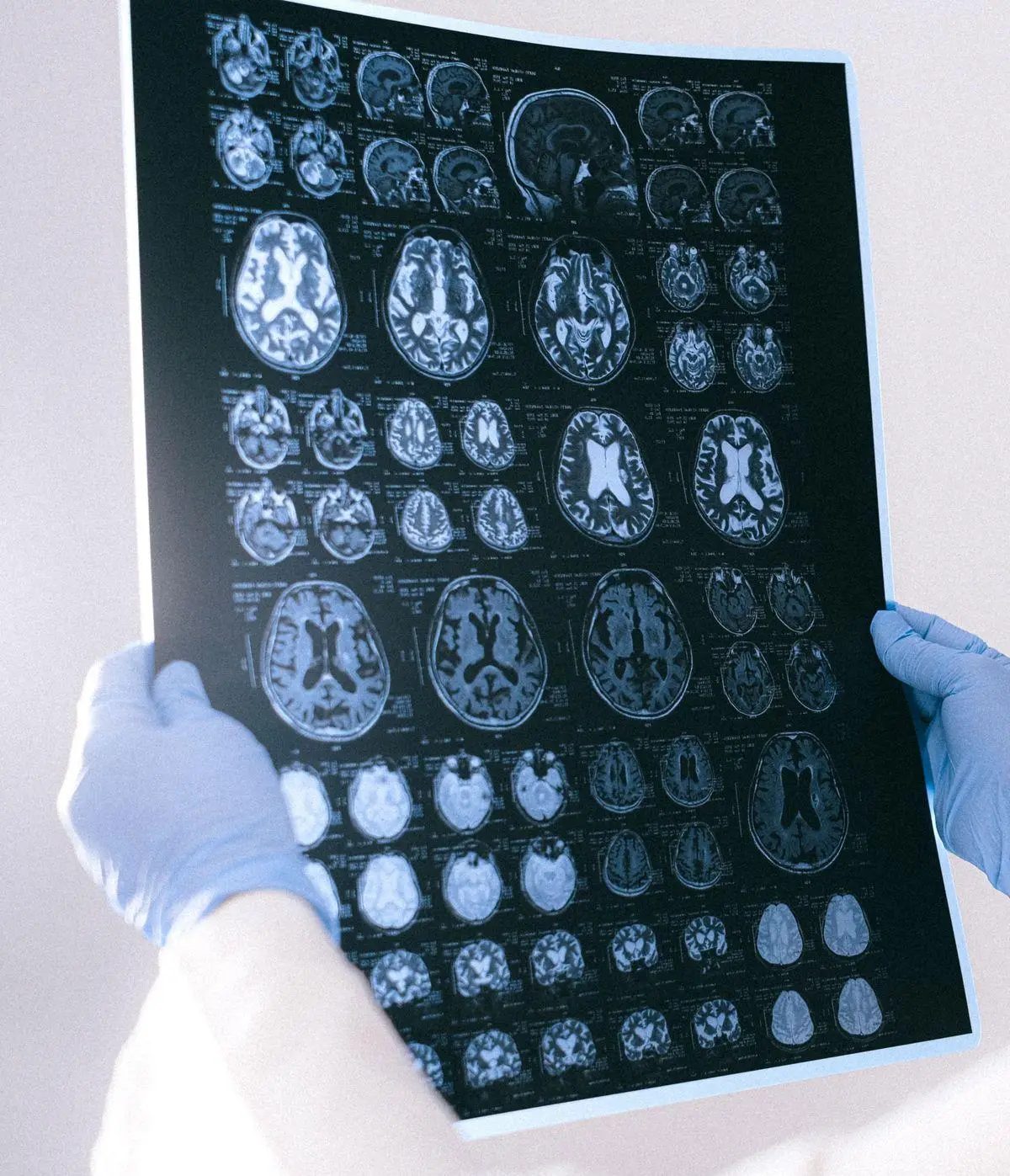
Multiple sclerosis is the most common demyelinating disease of the central nervous system, and it mainly affects young women. Early diagnosis and timely start of disease-modifying therapies significantly change the long-term prognosis. At Neuro+ we offer diagnosis with magnetic resonance imaging and specialized follow-up.
Ages 20–40
Most common age at diagnosis
3:1
Ratio of cases in women vs. men
MRI
Magnetic resonance imaging for diagnosis and follow-up
+ What is multiple sclerosis?
In multiple sclerosis, the immune system mistakenly attacks myelin (the protective layer of nerve fibers) in the brain, spinal cord and optic nerves. This disrupts the transmission of nerve signals and can cause very different symptoms depending on the area affected: vision changes, weakness, tingling, balance problems or fatigue.
An episode of new or worsening neurological symptoms lasting at least 24 hours, in the absence of fever or infection. It is different from the gradual progression that occurs in the progressive forms of the disease.
Clearly defined relapses followed by full or partial recovery, with stable periods in between. It accounts for most initial diagnoses.
A phase that can develop after years of relapsing-remitting MS, with progressive worsening of disability, with or without occasional relapses.
Steady progression of disability from the start, without clearly distinct relapses. Less common than the relapsing forms.
A first episode of neurological symptoms suggestive of demyelination, not yet meeting the full criteria for MS.
A demyelinating disease distinct from MS that mainly affects the optic nerve and spinal cord, with specific treatment.
If you have any of these symptoms, see a neurologist as soon as possible
Diagnosis is based on the McDonald Criteria, which combine the clinical history, neurological exam findings, MRI of the brain and spinal cord and, in some cases, additional tests such as evoked potentials or cerebrospinal fluid analysis (oligoclonal bands). There is no single test that confirms the diagnosis on its own: other causes must be ruled out and lesions disseminated in time and space must be identified.
The neurologist takes a detailed clinical history: a description of your symptoms and relapses, age of onset, frequency, associated factors, family history and response to any previous treatments. A complete neurological exam is performed.
Duration: 30 minutes — Complete neurological evaluation.
Approach: Differential diagnosis — Clinical history, neurological exam and definition of tests (MRI, evoked potentials).
Bring with you, if you have them:
There is no cure, but current disease-modifying therapies make it possible to control disease activity in the vast majority of patients, significantly slowing the progression of disability.
No. It is a highly variable disease: the type, relapse frequency and symptoms differ from one person to another, which is why treatment is individualized.
It has a genetic component that increases risk, but it isn’t directly inherited. Having a relative with MS slightly increases the risk, but doesn’t mean you will develop the disease.
Yes. Pregnancy generally does not worsen the long-term course of the disease, although it requires planning with the neurologist regarding treatment before, during and after pregnancy.
It depends on disease activity and treatment, but it’s usually recommended at least once a year, or sooner if new symptoms appear.
+ Book today
Diagnóstico con resonancia magnética y manejo especializado de la esclerosis múltiple. Atención presencial en Medellín, o teleconsulta desde cualquier ciudad.

Multiple sclerosis, autoimmune diseases of the nervous system, migraine and sleep.