+ Sleep study · Neuro+

Polysomnography in Medellín: diagnosis and treatment of sleep disorders

30%

Of Colombians have a sleep disorder

Without leaving home

Home studies in your own bed

5 - 7

Business days for results

Sleep disorders affect more than 30% of the Colombian population and are often normalized or go unnoticed for years.

At Neuro+ we have neurologists specializing in sleep medicine, state-of-the-art home diagnostic studies and a comprehensive clinical approach.

+ Our team

Neurologists specializing in sleep medicine in Medellín

Neurologists dedicated to the clinical interpretation of every sleep and insomnia study.

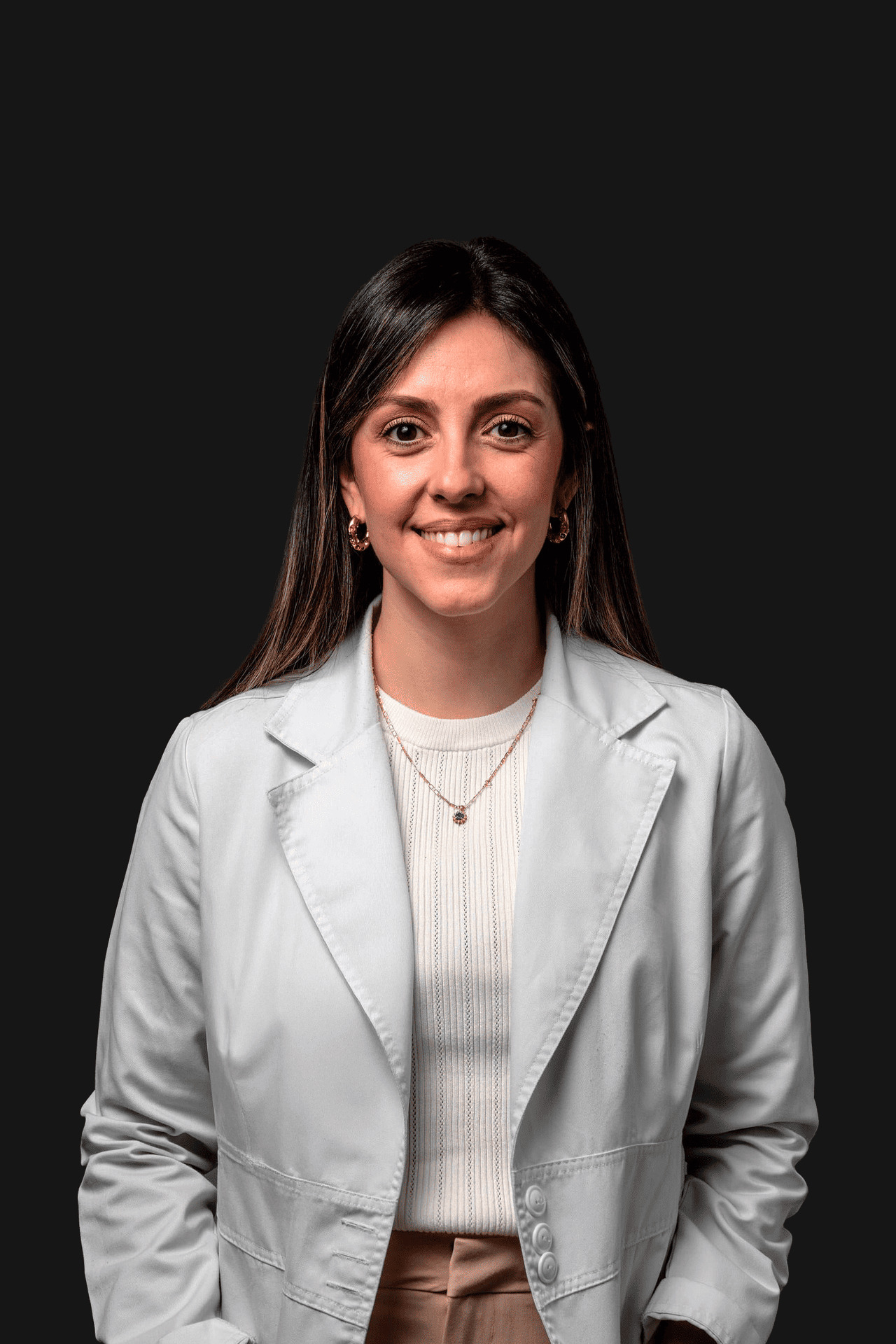
Neurology Dra. Tatiana Gómez, neuróloga especialista en enfermedades neuromusculares
Dr. Tatiana Gómez Neurologist
  • Neuromuscular diseases
  • Sleep and movement disorders
  • Migraine and headaches
Ver perfil de la Dra. Gómez →
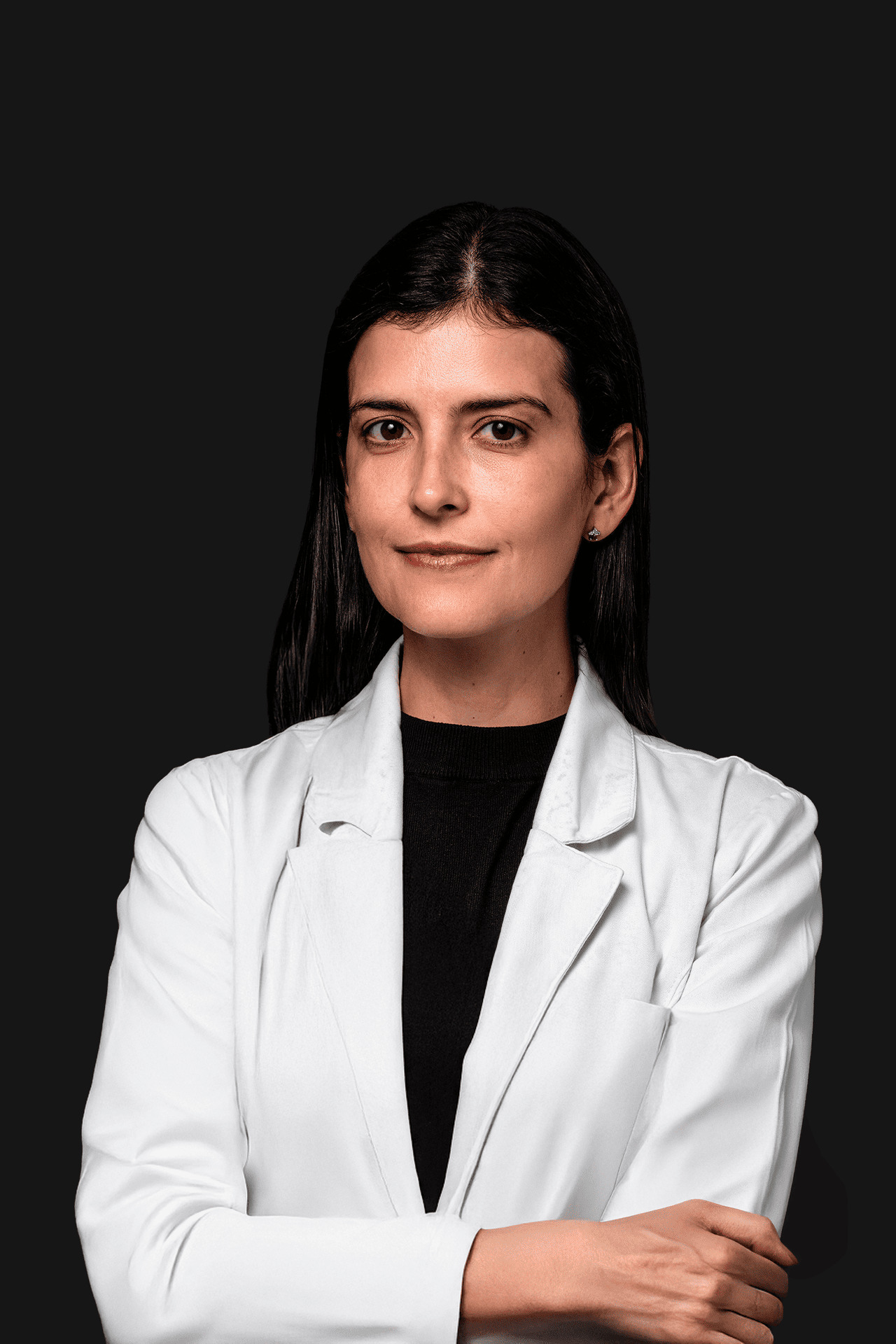
Neurology Dra. Carolina Restrepo, neuróloga especialista en enfermedades desmielinizantes
Dr. Carolina Restrepo Neurologist
  • Multiple sclerosis
  • Autoimmune diseases of the nervous system
  • Migraines
Ver perfil de la Dra. Restrepo →
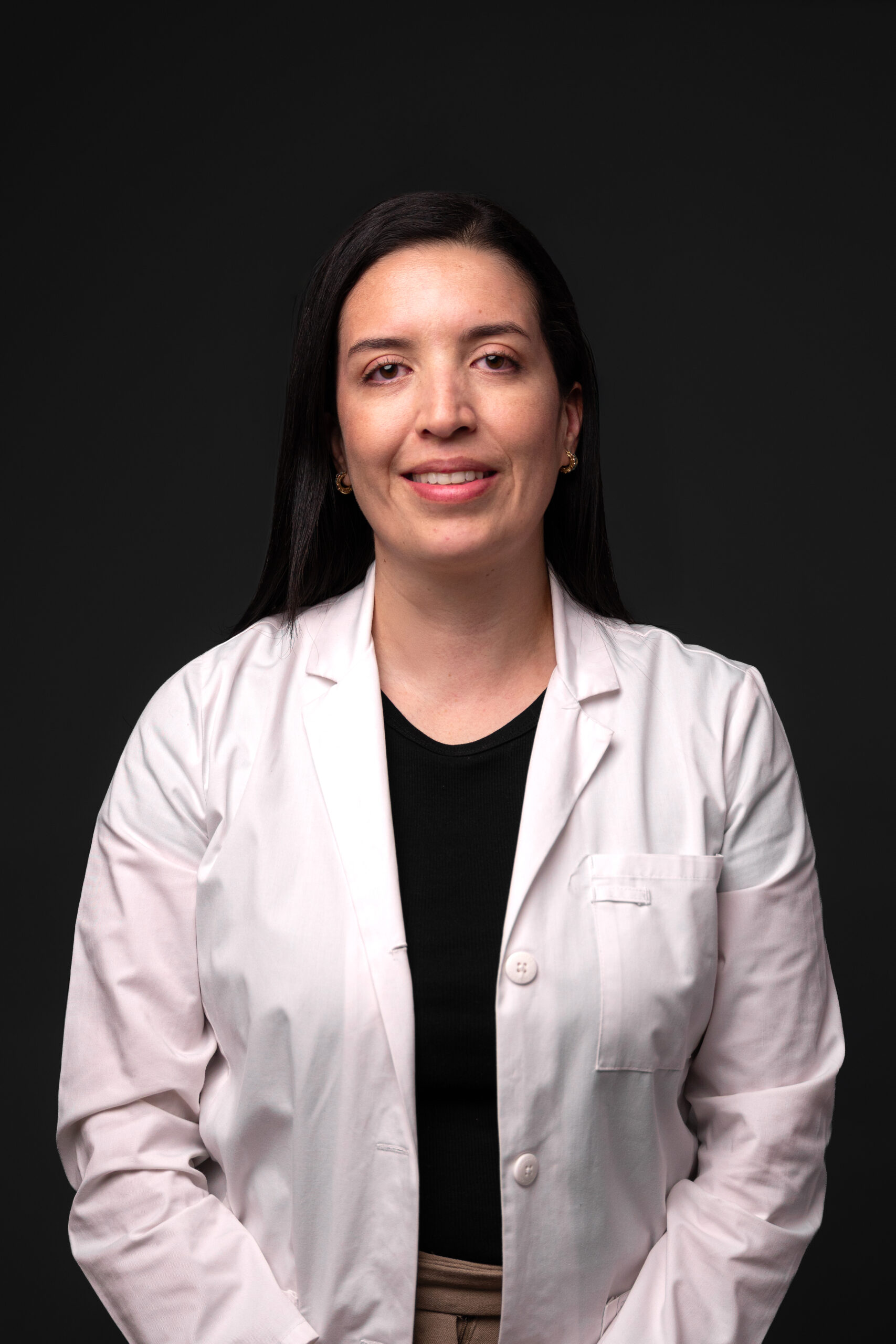
Neurology Doctora Lina Agudelo - Neuróloga
Dr. Lina María Agudelo Neurologist
  • Sleep medicine and insomnia
  • Migraines
  • Adult neurological disorders
Ver perfil de la Dra. Agudelo →

Warning signs

When should you see a doctor about a sleep disorder?

Get checked if you have any of these signs.

Loud snoring reported by your partner or a family member
Excessive daytime sleepiness that interferes with work or driving
Trouble falling or staying asleep for more than a month
Waking up with a feeling of choking, gasping or palpitations
Restless legs or uncomfortable sensations when lying down
Feeling unrested despite sleeping enough hours
Recurring headaches when you wake up
Involuntary movements during sleep noticed by someone else
Episodes of sleep paralysis or hallucinations when waking up
Sudden, irresistible sleepiness at inappropriate times
These signs aren’t normal and they’re not something you have to live with. They can be diagnosed and treated.

Sleep medicine

Disorders we treat at Neuro+

02

Insomnia

Trouble falling or staying asleep, acute or chronic. First line: Cognitive Behavioral Therapy for Insomnia (CBT-I), with or without medication.

03

Snoring

It can be harmless or a sign of underlying apnea. It requires evaluation if accompanied by daytime sleepiness, breathing pauses or high blood pressure.

04

Restless Legs Syndrome

Uncomfortable sensations in the legs that appear at rest at night and are relieved by movement. It causes severe difficulty falling asleep.

05

Narcolepsy and Hypersomnia

Excessive daytime sleepiness that doesn't improve with rest. May include cataplexy and hallucinations. Diagnosis is typically delayed by 8–10 years.

06

Circadian Rhythm Disorders

Disruptions of the body clock: delayed phase, advanced phase, chronic jet lag from shift work. Evaluated with actigraphy.

07

Parasomnias

Sleepwalking, night terrors, REM sleep behavior disorder (an early marker of Parkinson’s), recurring nightmares.

Diagnosis

Polysomnography and sleep studies

Every study comes with specialized clinical interpretation by our neurologists. Most can be done in the comfort of your own home.
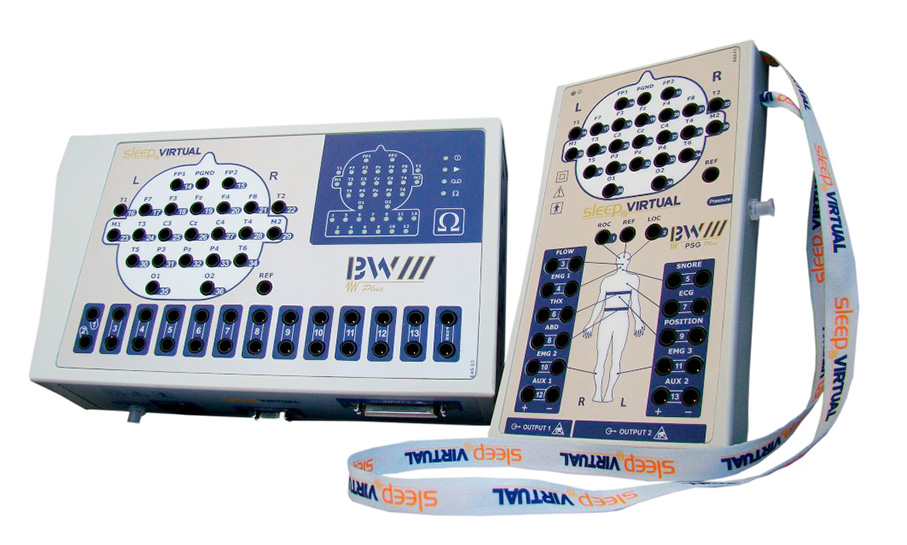
Dispositivo de polisomnografía ambulatoria

Home respiratory polygraphy

Assesses airflow, respiratory effort, saturation and heart rate. The first option when apnea is suspected without complex comorbidities.

🏠 Also at home

Actigraphy

Continuous monitoring of the activity-rest cycle for days or weeks with a watch-like device. Assesses circadian rhythm and response to treatment.

Home overnight oximetry

Continuous measurement of oxygen saturation during sleep. A first diagnostic step when apnea is suspected.

Clinical management

Sleep disorder treatments available at Neuro+

CPAP / BiPAP

Continuous positive airway pressure for moderate to severe apnea. The most effective treatment for OSA, with adaptation follow-up included.

CBT-I

Cognitive Behavioral Therapy for Insomnia. The international first-line treatment, longer-lasting than medication. 6–8 sessions.

Sleep hygiene

Education and support to build routines: light exposure, regular schedules and habits.

Targeted medication

Hypnotics, melatonin, dopaminergic drugs for restless legs, stimulants for narcolepsy — always within a comprehensive plan.

Treatment of the underlying condition

Manejo de la enfermedad de base cuando el trastorno del sueño es manifestación neurológica: Parkinson’s Disease, epilepsia nocturna, demencia o multiple sclerosis.

Your process at Neuro+

Step by step, from consultation to results

1

Evaluation consultation with the specialist neurologist

Sleep history, symptoms and background. Determines which studies are needed.

2

Device delivery

The study device comes with clear instructions. You take it home and sleep normally in your usual surroundings.

3

Specialized interpretation

The neurologist analyzes the study and prepares a detailed clinical report. Results in 5–7 business days.

4

Personalized treatment plan

CPAP, CBT-I, medication, follow-up actigraphy or referral depending on the diagnosis.

5

Follow-up

Regular check-ups and WhatsApp access for questions between consultations.

+ Frequently asked questions

Frequently asked questions about polysomnography

How many hours of sleep does an adult need?
Most adults need 7 to 9 hours. Quantity isn’t the only factor: sleep quality and continuity are just as important.
Not necessarily, but it should be evaluated. If snoring comes with daytime sleepiness, breathing pauses or high blood pressure, the likelihood of apnea is high.

A Neuro+ technician comes to your home and sets up the device right there, with all the instructions. You sleep normally in your own bed, and the next day the technician comes back to collect it. A neurologist on our team interprets the results and gives you the report.

They are a temporary solution. Hypnotics are useful for acute insomnia, but they don’t address the causes of chronic insomnia. CBT-I produces longer-lasting results than medication alone.
CPAP doesn’t cure apnea, but it controls it very effectively while in use. When it’s stopped, the episodes come back. In some cases (weight loss, surgery) severity can be reduced.

Yes. When sleep apnea is associated with overweight or obesity, weight management usually improves symptoms significantly. Depending on your case, this can be achieved with bariatric surgery or with weight loss medications under medical supervision.