
+ Clinical Nutrition · Neuro+
3
4 phases
+ Our specialist
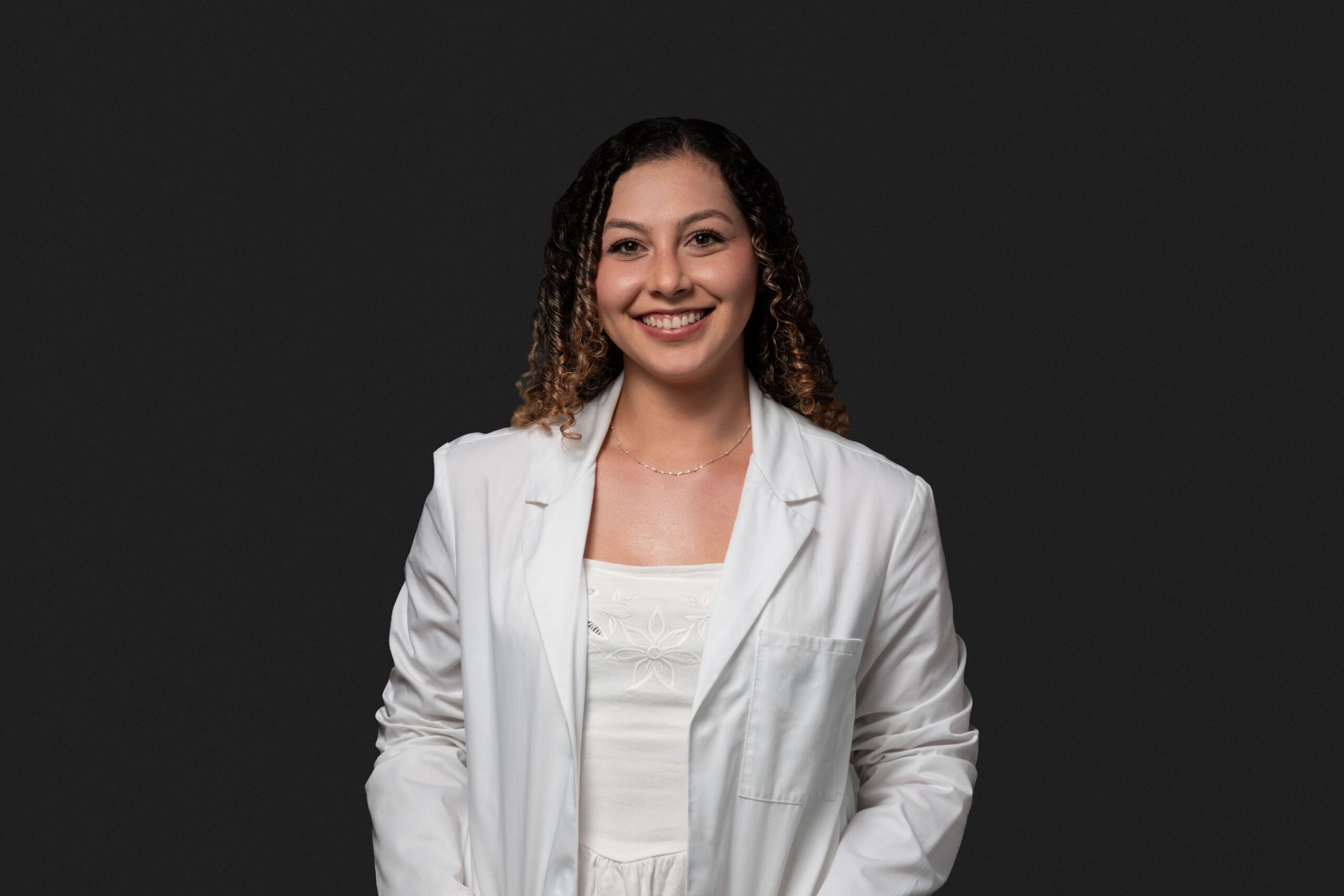
Specialized in the comprehensive management of obesity, metabolic syndrome, diabetes, high cholesterol, digestive health and nutrition in neurological diseases.
Trabaja en articulación directa con el equipo médico de bariatric surgery de Neuro+ para garantizar que el plan alimentario sea coherente con el tratamiento de cada paciente.
+ Neuro+ care areas
Pre-operative preparation, post-surgery diet progression (liquid → solid) and lifelong vitamin supplementation. Essential before and after surgery.
Complements the effect of Ozempic, Mounjaro and Wegovy. Preserves muscle mass during weight loss. Sustainable long-term habits.
Blood sugar control, plans adapted to your individual glycemic pattern. Preventing complications without compromising well-being.
Improving the lipid profile, reducing inflammation and reversing components of metabolic syndrome through diet.
Migraine (trigger foods), epilepsy (ketogenic diet) and cognitive decline (Mediterranean / MIND diet). Coordination with the team’s neurologists.
Irritable bowel syndrome, gastroesophageal reflux, chronic constipation. Specific nutritional interventions with significant improvement.
+ Post-bariatric diet
What can I eat, and when, after a gastric sleeve or a bypass?
Water, oral rehydration solution, strained fat-free broths, pulp-free juices. Volume: 30–60 ml per serving. Goal: hydration and swallowing tolerance.
Nutritious broths, skim milk, sugar-free drinkable yogurt, protein powder. Initial protein goal: 40–50 g/day. Protein is the absolute priority.
Solid foods blended to a very smooth consistency: protein (chicken, beef, fish) with puréed vegetables. No lumps, no skins, no seeds.
Soft foods: scrambled eggs, fish, fresh cheese, banana, avocado, cooked vegetables. 5–6 small meals a day. Protein goal: 60–80 g/day.
Gradual return to solids. Rule: protein first, then vegetables, then carbohydrates (if there’s room). Permanently avoided: carbonated drinks, alcohol, ultra-processed foods and added sugars.
+ Post-bariatric supplementation — for life
Vitamins B1, B12, A, D, E, K and trace minerals. Daily, for life.
Sublingual or injectable form. Surgery reduces the intrinsic factor needed to absorb B12.
Calcium in citrate form (not carbonate), in divided doses. Prevents long-term bone deficiency.
Especially for women of childbearing age. The bypass causes greater deficiency than the sleeve. Taken with vitamin C to improve absorption.
An essential tool in the first weeks to reach the protein goal when food volume is reduced.
Dr. Juliana Barrero provides a personalized supplementation protocol with brands, doses and schedules based on the type of surgery and the patient’s baseline labs.
+ The consultation
Weight, height, BMI, waist circumference and body composition (fat vs. muscle mass). A baseline measurement to track real progress.
Current habits, meal frequency, family and social context around food, history of previous weight-loss attempts.
Analysis of recent tests and review of the medical diagnosis so the plan is consistent with ongoing treatment.
Practical and adapted to your lifestyle, preferences, budget and goals. Not a list of forbidden foods, but a clear map of how and what to eat.
+ Frequently asked questions
Protein is the absolute priority: it protects muscle mass while the body loses fat. At Neuro+, Dr. Juliana Barrero adjusts that goal based on your weight, type of surgery and progress.
+ Book today
Take the first step toward real changes in your health.
Evaluation available in person and via teleconsultation.